










 Diaspora
Can you buy land without road access in Cameroon?
Buying land without road access in Cameroon? Understand rights of way, road-width rules and the evidence to request before committing money.
11 October 2026 · 9 min read · VERA237 Editorial
Updated: October 11, 2026
Buying a plot without road access is not a problem to leave until after payment. Cameroon’s legislation provides for claims to passage over neighbouring land in qualifying circumstances, but a possible legal remedy is not the same as an agreed, usable entrance. Have a lawyer assess the access position before you commit. (coursupreme.cm)
For a diaspora buyer, the practical question is not simply, “Can my brother drive there today?” It is: “What evidence establishes the right to use this exact route, and will it serve the house I intend to build?”
This guide focuses on that access question—not the entire land-purchase process. Use it to brief your notary, surveyor and site inspector before deciding whether an apparently attractive plot deserves further consideration.
Separate physical access from legal access
Start your assessment with three separate questions:
- Physical access: Can people and vehicles reach the plot now?
- Legal access: What establishes your right to cross any intervening property?
- Practical suitability: Can the route accommodate your intended use, including construction deliveries?
Do not treat a successful site visit as the answer to all three. Under Civil Code Article 686, the instrument creating an agreed servitude governs its use and extent. Ask a lawyer to examine the actual instrument rather than relying on a seller’s description. (droitcamerounais.info)
A servitude de passage is the French term you will encounter for a right of passage. In your instructions to professionals, identify both the plot benefiting from access and every property the route crosses.
Does a landlocked owner have a right to passage?
Civil Code Article 682 provides for a landlocked owner with no outlet to a public road to claim passage over neighbouring property, subject to compensation proportionate to the damage caused. Articles 683–684 address the shortest route and the location least damaging to the neighbouring property. (droitcamerounais.info)
That is not a recommendation to buy first and argue later. Ask a Cameroon lawyer whether those provisions apply to the particular facts, which owners must be involved, and what happens if agreement cannot be reached. Do not clear a route or remove a neighbour’s fence on the strength of this article.
A vehicle track may not satisfy the building-access rules
Article 11 of Law No. 2004/003 of April 21, 2004 generally requires building plots to be served by public or private roads with a minimum seven-metre road corridor, subject to special planning or mayoral prescriptions. It also requires access for emergency and municipal services. (coursupreme.cm)
The French term is emprise: do not assume the visible driving surface is the relevant measurement. Ask the council’s planning service and your surveyor to identify the applicable corridor on the plan and on the ground.
Equally, do not interpret this provision as permission to take seven metres from a neighbour. Ask your lawyer to address passage rights and your planning professional to address buildability as separate questions.
Before paying: build an access evidence file
The following is a recommended buyer’s workflow, not a substitute for the official procedure applicable to your property.
1. Make the seller identify the whole route
Request a marked plan showing the route from an identifiable public road to the plot boundary. Ask the seller to explain each section:
- Is it claimed to be public road, privately owned road or passage over another plot?
- Who owns or controls it?
- What document supports its status?
- Is any section merely proposed?
- Are there gates, disputes or restrictions?
Do not accept “the road is nearby” as a complete response. Set your inspection brief around the entire journey, not only the frontage of the advertised plot.
2. Commission a route inspection, not just property photographs
Ask an independent surveyor or appropriately qualified inspection professional to compare the route with the relevant plans. Request a written account of discrepancies rather than a simple “access confirmed” message.
Your inspection instructions should cover:
| Check | Evidence to request | Question it should answer |
|---|---|---|
| Route identity | Annotated plan and location-labelled photographs | Are we inspecting the route described in the documents? |
| Boundaries | Surveyor’s observations against cadastral information | Does the route cross another parcel? |
| Narrow points | Measurements and photographs | Where must planning compliance be investigated? |
| Obstacles | Images of gates, walls, drains and crossings | What could prevent practical use? |
| Construction access | Assessment against intended vehicle requirements | Can deliveries reach the site safely? |
| Wet-weather condition | Dated observations, where feasible | What remains uncertain after a dry-weather visit? |
Treat photographs as supporting evidence, not a legal opinion. If wet-weather inspection is unavailable, record that limitation rather than assuming all-season access.
3. Give the notary an access-specific brief
Ask your notary or lawyer to investigate the proposed route through the competent land registry, the Conservation Foncière, within MINDCAF, and the relevant cadastral service. Have them confirm which records and applications are needed locally.
Request written answers to these questions:
- Which titles and parcels must be examined, including neighbouring land?
- What instrument establishes the claimed passage?
- Who had authority to grant it?
- Does its wording cover the intended use?
- What registration or other formalities are necessary to protect the buyer’s position?
- What unresolved issue should prevent commitment?
Do not assume that the title to the plot alone answers every access question. MINDCAF itself identifies establishment over public land among circumstances in which a land certificate may be declared null. A document presented as a title should therefore not end an investigation into a claimed public road or reservation. (mindcaf.gov.cm)
4. Obtain the planning position from the council
Article 101 describes the certificat d’urbanisme as information about applicable planning rules, administrative restrictions and suitability for a proposed operation. The law makes it mandatory for property transactions, subject to its stated exception. Confirm the applicable application process with the council and your notary. (coursupreme.cm)
Ask the planning service to address the specific route and intended development. Useful questions include:
- What access requirements apply to this plot?
- Is a road shown as existing, reserved or proposed?
- Does the proposed entrance conflict with a road alignment?
- Which documents substantiate the answer?
Keep the response in the same file as the survey and legal review.
“A new road is coming”: check what has actually happened
A genuine government announcement should still be read carefully.
For example, an official MINHDU notice dated February 17, 2026, published by ARMP on February 23, 2026, sought prequalification of engineering consultancies for supervision of access-road improvement works serving certain properties in the administrative block of the Olembé subdivision. (armp.cm)
Established fact: that notice concerns a procurement stage and a specified location. It does not establish: that the works were completed, that an advertised plot benefits, or that a buyer has an enforceable route to it. Those are separate questions requiring further evidence. (armp.cm)
If an agent uses infrastructure news to justify a price, request the official project reference, route plan and evidence of current implementation. Have your surveyor locate the offered plot against the project—not against a promotional sketch.
Warning signs that justify pausing
Use the following as reasons for further investigation, not proof that someone is committing fraud:
- The seller refuses to mark the route on a plan.
- A neighbour disputes permission to cross their property.
- The route shown during inspection differs from the route in the paperwork.
- Someone requests money to “open the road” without identifying ownership or authority.
- You are discouraged from contacting the council or neighbouring owners.
- A future road is presented as though it already provides access.
A sensible response is to pause, preserve the messages and documents, and ask your professional advisers to identify the missing evidence. Avoid public accusations based only on a disagreement or an incomplete file.
What should you budget in FCFA?
This research did not establish a reliable nationwide price for securing passage to a particular plot. Publishing a flat “right-of-way fee” would be misleading. The Civil Code’s compensation provision relates to damage caused, not a universal purchase price for access. (droitcamerounais.info)
Request separate written estimates in FCFA for:
- Surveying and route identification;
- Legal review and drafting;
- Applicable official formalities, confirmed with MINDCAF and the notary;
- Any compensation assessed or negotiated with professional advice;
- Engineering assessment and authorised access works;
- Agreed maintenance responsibilities.
Ask each provider to identify exclusions. Do not let one unexplained lump sum combine professional fees, supposed government charges and construction costs. Confirm official charges and obtain receipts through the appropriate office.
A diaspora scenario: the inspection succeeds, but access remains unresolved
Illustrative scenario—not a reported case: A buyer in Canada considers a plot outside Yaoundé. A relative sends a video showing a car reaching the site. The last section crosses a neighbouring compound, whose owner allowed the visit as a favour.
Our recommended response would be to postpone commitment and investigate that section. Ask the surveyor to identify it precisely, the lawyer to examine the access position, and the planning service to assess suitability for the intended house.
The relative’s video remains useful. It simply answers a narrower question than the buyer initially assumed.
If you approach VERA237’s verification services, ask whether the proposed scope includes the entire access route, coordination with qualified professionals and a written list of unresolved issues. Do not assume that a property visit includes legal or cadastral verification unless those tasks are expressly agreed.
Save this access checklist
Before deciding whether to proceed, ask your advisers to help you complete this file:
- The complete route is marked from public road to plot.
- Every intervening parcel has been identified for investigation.
- The claimed legal basis for passage has been examined.
- Relevant registry and cadastral enquiries have been completed.
- The council’s planning position has been obtained.
- Route measurements and physical obstacles are documented.
- Construction access and weather-related limitations are assessed.
- Costs, permissions and maintenance responsibilities are clarified.
- Any conditions protecting the buyer have been professionally drafted.
- Outstanding problems are written down—not explained away verbally.
For related reading in VERA237’s knowledge base, consult “How can I verify land in Cameroon before paying?” for the wider investigation, “Do I need a building permit to build a house in Cameroon?” for construction approval, and “Can someone buy property in Cameroon on my behalf?” for representation from abroad.
Key takeaways
- Investigate the right to use the route separately from the ability to drive along it.
- Ask professionals to examine access before commitment, not after a dispute begins.
- Require parcel-specific evidence when someone promises a future road.
- Keep legal review, planning confirmation and physical inspection together in one file.
Next step: send the seller the route questions above, then ask your notary and surveyor to define the investigation. This is general consumer education, not legal advice or clearance to purchase a particular property.
Frequently asked questions
Can a landlocked owner claim a right of way in Cameroon?
Civil Code Article 682 provides for a qualifying landlocked owner to claim passage over neighbouring property, with compensation proportionate to damage caused. Have a Cameroon lawyer assess the facts and the process; do not assume you can choose and clear a route yourself. ([droitcamerounais.info](https://www.droitcamerounais.info/files/21.03.04A-Code-civil--2022_09_27-06_08_23-UTC-.pdf))
How wide must an access road be for a building plot in Cameroon?
Article 11 generally specifies a seven-metre road corridor, subject to special planning or mayoral prescriptions. Ask the council and surveyor to confirm the requirement and measurement applicable to the particular plot. ([coursupreme.cm](https://coursupreme.cm/publication/detail/ND/loi-n%C2%B0-2004-003-du-21-avril-2004-regissant-lurbanisme-au-cameroun?utm_source=openai))
Is a neighbour’s verbal permission enough when buying land?
Do not rely on verbal permission as your purchase safeguard. Ask a notary or lawyer to establish the nature, scope and durability of the claimed right. Civil Code Article 686 makes the instrument establishing an agreed servitude important to determining its use and extent. ([droitcamerounais.info](https://www.droitcamerounais.info/files/21.03.04A-Code-civil--2022_09_27-06_08_23-UTC-.pdf))
How much does securing a right of way cost in Cameroon?
No reliable nationwide flat price was established in this research. Obtain property-specific FCFA estimates for legal work, surveying, official formalities, compensation and authorised works. Confirm official charges with the competent office rather than accepting an intermediary’s unexplained total.
How can I investigate road access while living abroad?
Commission an inspection of the entire route, request an annotated plan and dated photographs, and instruct your notary to investigate the access rights separately. Ask the council for the planning position. Require written findings and limitations rather than a general assurance that the property is accessible.
Relevant on VERA237
Useful next steps for this topic
Explore live listings and professionals whose work matches what you are reading.
Properties you may want to see
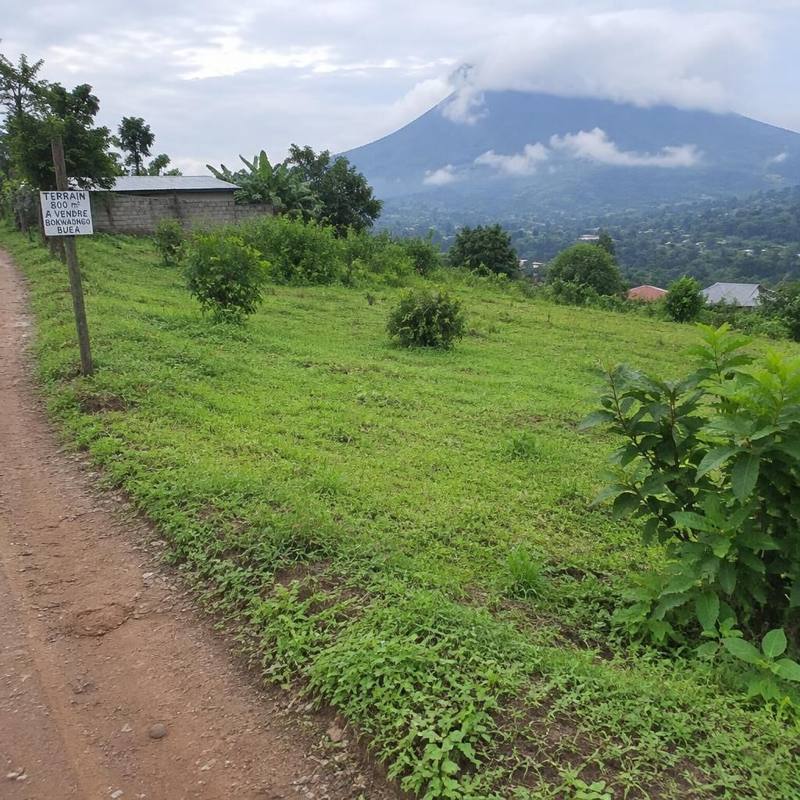
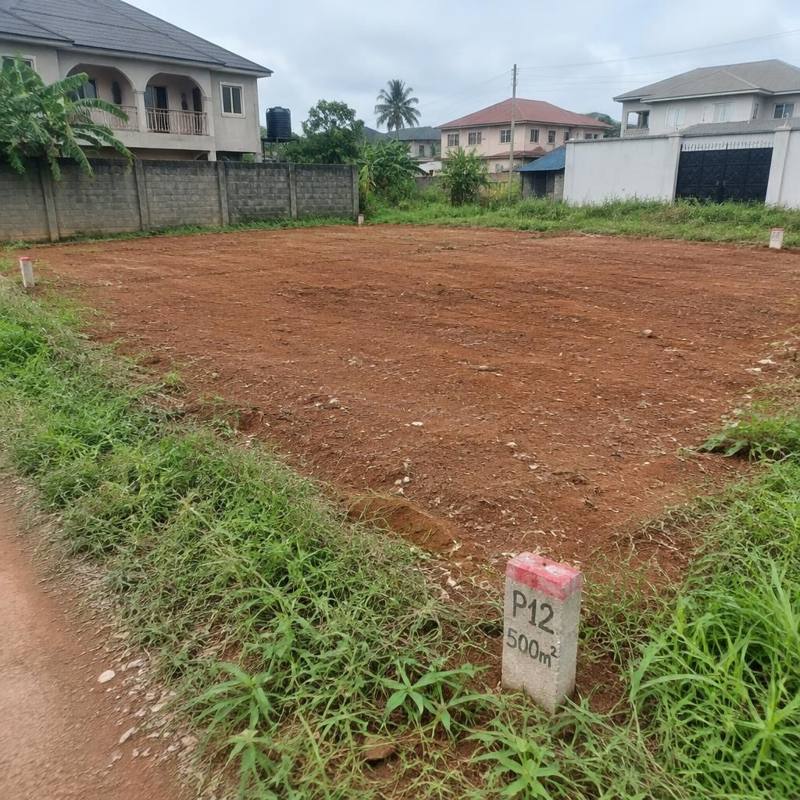
Browse all properties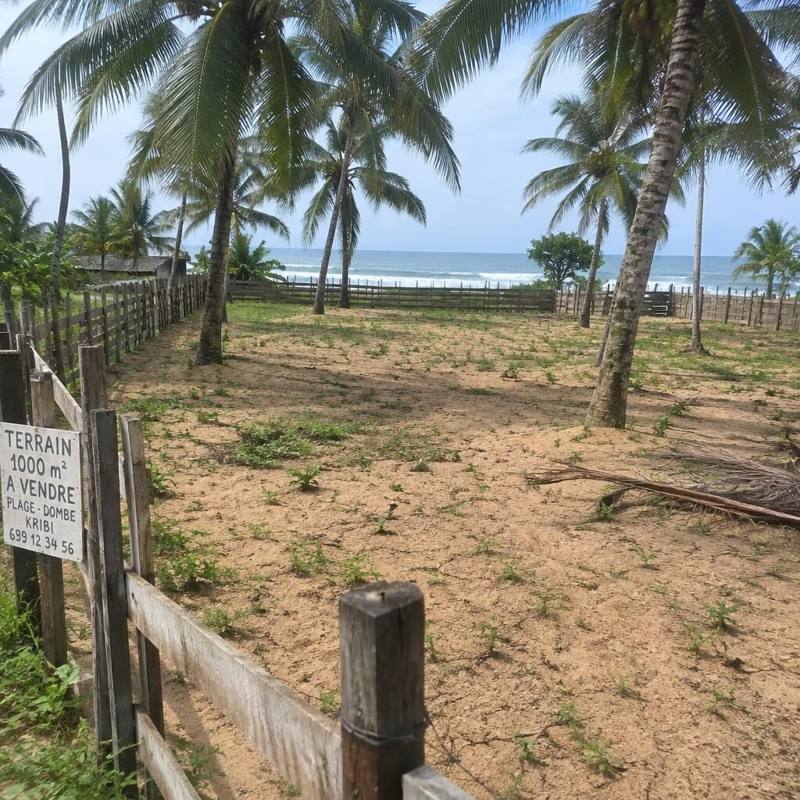


General information only, not legal advice. Always confirm current rules with a notary, lawyer or the land registry before paying. Written with AI assistance and published by VERA237.